

Top Crypto Gambling Sites That Let You Play with Bitcoin and Win Big
Crypto gambling sites let you wager directly from a digital wallet, often settling bets in seconds without ever touching a bank account. You pick a coin like Bitcoin or Ethereum, deposit it instantly, and play games where the house edge is baked into the code itself—provably fair, so you can verify every roll. The real kicker? Your winnings land back in your wallet in minutes, not days, with no withdrawal limits clogging the payout. Just connect a wallet, grab some crypto, and you’re betting before the coffee cools.
What Actually Happens When You Gamble With Cryptocurrency?

You deposit Bitcoin, and the site instantly swaps it for its own token—often a stablecoin or a house-issued credit—so your “balance” is no longer actual crypto but a ledger entry. When you hit spin, the smart contract deducts a micro-fee in that token, not in gas, meaning the house edge bites twice: once on the bet, once on the conversion rate when you cash out. That payout in a different coin might be delayed by network congestion, so you watch the price of your winnings drop while the transaction sits unconfirmed. If the site’s wallet is hacked, your claim is just a line in a database—no bank, no reversal. The real gamble starts after you win, when you realize “withdrawal” means trusting their hot wallet to honor a token that only exists on their server. Q: What actually happens when you gamble with cryptocurrency? A: You trade real, volatile money for a casino’s private credit, then pray the exit transaction beats the next price dip.
The Step-by-Step Flow from Deposit to Payout
When you deposit at a crypto gambling site, funds move from your wallet to the platform’s address via a blockchain transaction, requiring network confirmations before crediting your balance. Betting then deducts from this on-site balance, with each wager recorded on the ledger but not broadcast individually. Upon requesting a payout, the site initiates a withdrawal transaction from its hot wallet to your external address, subject to its internal approval queue and the current blockchain fee. The final step is waiting for confirmations—usually 1–3 for major coins—before funds appear in your wallet. Withdrawal speed depends on block congestion, not the casino’s interface.
Why Your Winnings Arrive in Minutes, Not Days
When you cash out at a crypto casino, the payout speed depends entirely on the blockchain, not the site’s internal review queue. A Bitcoin transaction typically confirms within ten minutes, while Lightning Network or Solana payouts settle in under two seconds. The casino’s wallet signs your withdrawal immediately upon request because on-chain settlement replaces manual approval—there is no bank holiday, no staff shift, and no verification call. Once your transaction hits the mempool, it is irreversible, so the site has no reason to delay. Even during peak congestion, miners prioritize higher fees, meaning you control speed by adjusting gas; a standard payout arrives in minutes, not days, purely because the network, not the casino, moves your money.
Understanding On-Chain vs. Off-Chain Bets
Understanding the distinction between on-chain and off-chain bets is crucial for managing expectations on crypto gambling sites. On-chain bets are settled directly on the blockchain, meaning every wager is recorded as a transaction, offering full transparency and provable fairness via smart contracts, but this comes with slower confirmation times and network fees. Conversely, off-chain bets occur within the site’s internal database, where the casino holds your funds and updates your balance instantly after each game. While off-chain action is faster and cost-free per bet, you must trust the operator to honor withdrawals and maintain accurate ledger records. Your choice should weigh verifiability against speed and transaction cost.
How to Pick a Safe Crypto Casino in 2025 Without Getting Scammed
To pick a safe crypto casino in 2025, start by verifying the operator’s on-chain transparency—demand provably fair games where every bet hash is verifiable before you deposit. Wallet-based security is your first line of defense: only use sites with non-custodial, instant withdrawals and mandatory 2FA, avoiding any platform that holds your funds for “bonus” lockups. Next, test customer support with a fake problem; a real operator replies within minutes and never asks for your seed phrase. Scrutinize community reviews on Reddit and Telegram for recurring payout delay complaints—those are the telltale scam signature.
Always send a tiny test withdrawal immediately after your first deposit; if it doesn’t land in 10 minutes, walk away forever.
Finally, confirm the smart contract address is publicly audited by a third party, not just copy-pasted on their homepage, so your crypto only ever touches a verifiable code path.
Checking Provably Fair Algorithms: What to Look For
When checking provably fair algorithms, first confirm the site publishes its server seed—the hashed value you can verify after each bet. Look for a clear, accessible page explaining how the client seed, server seed, and nonce combine to generate outcomes, and test that you can reproduce a result independently using the provided tools or scripts. Verify that seeds rotate regularly and that you can change your own client seed before wagering—if you cannot, the system is likely not genuinely transparent. Algorithm transparency is the core safeguard; if the verification process is buried or confusing, treat it as a red flag and withdraw funds immediately.
Cold Storage Wallets vs. Hot Wallets: Which Matters for You

When choosing between cold storage wallets vs. hot wallets for crypto gambling, your decision hinges on how quickly you need funds at the betting table. A hot wallet, like a browser extension or mobile app, allows instant deposits and withdrawals, making it ideal for active sessions where you chase jackpots in real time. However, it remains exposed to phishing attacks if your device is compromised. A cold storage wallet, such as a hardware device, keeps your main bankroll offline, so you must manually transfer funds to a hot wallet before playing—a delay that protects against session-loss hacks. Your best approach is to treat the cold wallet as your vault and the hot wallet as your pocket change. For frequent players, a small hot balance suffices, while high rollers should keep the majority in cold storage. The table below outlines the practical trade-offs.
| Aspect | Hot Wallet | Cold Storage Wallet |
|---|---|---|
| Deposit speed | Instant | Requires transfer step (minutes) |
| Withdrawal speed | Immediate to wallet | Must move funds to hot first |
| Theft risk | Higher if online | Near zero offline |
| Best use | Active betting | Long-term savings |
Red Flags in Whitepapers and Bonus Terms

A whitepaper that avoids explaining its provably fair system or uses vague language about random number generation is a primary red flag; a legitimate crypto casino will detail its hashing and commitment schemes. In bonus terms, watch for hidden wagering requirements buried in footnotes, such as a 50x playthrough applied only to the deposit, not the bonus, or a maximum bet cap that voids winnings if exceeded. Additionally, be wary of unrealistic “unlimited” cashback offers with no defined calculation method, and any clause allowing the casino to alter bonus terms retroactively. These reward structures are often engineered to make withdrawal mathematically impossible, so always audit the mathematics before committing funds.
Red flags in whitepapers and bonus terms are undefined randomness, hidden wagering multipliers, retroactive term changes, and unrealistic reward caps that prevent payouts.

Instant-Play vs. Downloadable Clients: Which Experience Fits You?
Instant-play crypto casinos let you wager directly in your browser—perfect for quick BTC spins or a fast blackjack hand without cluttering your device. Downloadable clients, however, pull more processing power, delivering smoother animations and faster bet placement for high-frequency dice or live dealer sessions. Choose instant-play if you flip between multiple sites or use a shared computer, since no traces linger. Opt for a download when you crave deeper game libraries and want to minimize lag during volatile market swings. Yet your loyalty might hinge on mobile—most crypto players end up favoring instant-play simply because native apps rarely support every token wallet. Ultimately, test both on a small deposit: see if the client’s speed justifies the install, or if the browser’s convenience wins your next roll.
Browser-Based Platforms for Quick Sessions
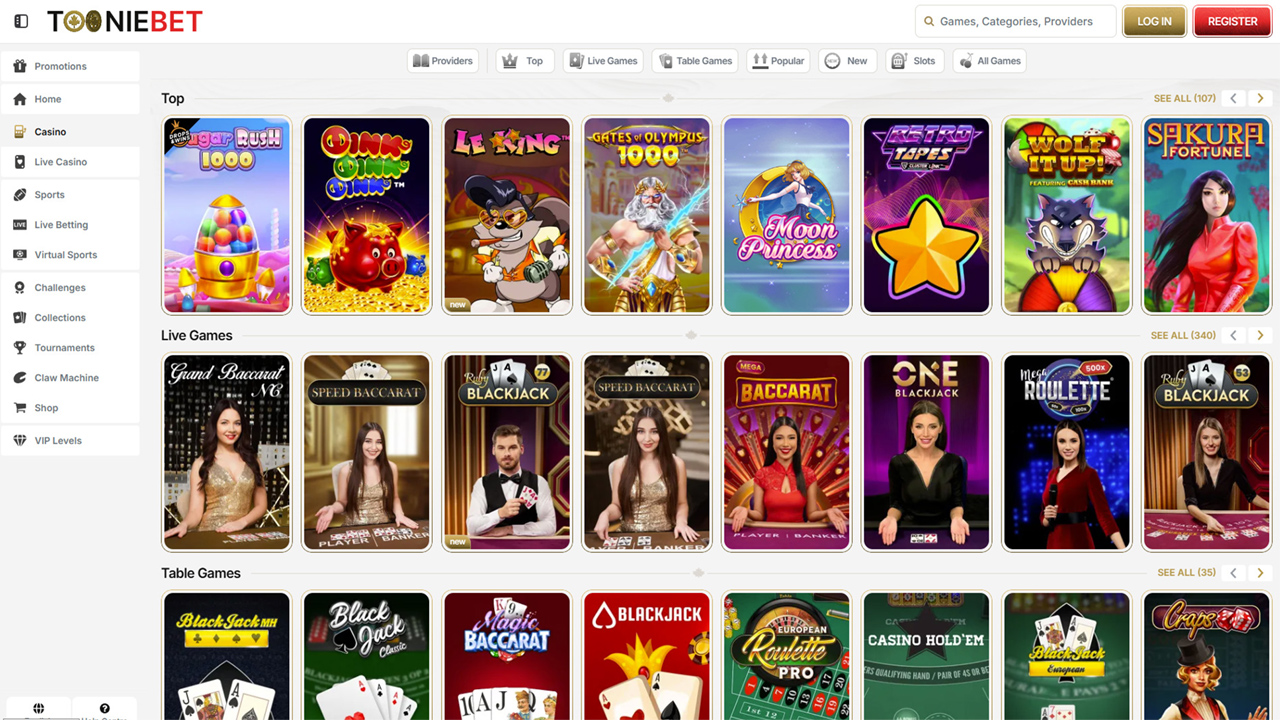
Browser-based platforms for quick sessions let you jump straight into crypto wagering without downloading software, making them ideal for short, spontaneous play. Since your wallet connects directly via the browser, funds remain under your control, and you can exit the site instantly after a few hands or spins—no uninstall cleanup needed. However, performance can dip on older devices because the game engine runs inside your browser tab, unlike a native client. These platforms excel for casual testing of a casino’s vibe or for playing during a commute, as long as you have a stable internet connection. Quick-session crypto gaming thrives here due to instant load times and zero storage footprint. Chat support is typically embedded, but you should pre-check withdrawal speed before committing real funds.
Browser-based platforms prioritize speed and convenience for short crypto sessions, trading deeper immersion for instant access and easy exit.
Native Apps for Mobile Bettors on the Go
For mobile bettors prioritizing speed, native crypto gambling apps deliver the lowest-latency transaction processing, as they bypass browser overhead and use device-level push notifications for bet settlement alerts. On the go, these apps cache odds and wallet balances offline, letting you review wagers mid-commute without consuming data. They also integrate biometric login—Face ID or fingerprint—so you can unlock your crypto bankroll in seconds at a venue. Unlike instant-play, native apps reserve local storage for private keys, reducing exposure to browser extensions that might leak addresses. However, you must update the app manually when the casino rolls out new token support, and each installation consumes roughly 80–150 MB of storage. For frequent, fast-paced wagering from unpredictable locations, native apps consistently outperform their browser-based counterparts in responsiveness and battery efficiency.
Using Privacy Coins and Stablecoins to Control Your Bankroll
Using privacy coins like Monero (XMR) and stablecoins such as USDT or USDC gives you direct, practical control over your crypto gambling bankroll. Privacy coins shield your balance and transaction history from on-chain observers, preventing opponents or third parties from linking your betting patterns to your wallet. Stablecoins, conversely, lock your bankroll’s value against volatility, so a sudden BTC dip won’t force you to chase losses or cash out mid-session. A smart workflow: keep your active gambling funds in a stablecoin for predictable betting units, and use a privacy coin only for deposits and withdrawals—this separates your “risk capital” from your “settlement layer.” Always rebalance after each session: convert winnings back to stablecoin immediately, and if your loss exceeds 20% of that session’s bankroll, switch to a fresh privacy address for the next deposit. Q: Why combine both? A: Stablecoins give you fixed stakes, while privacy coins give you unlinkable cash-outs—together, they prevent both price shock and surveillance from eroding your bankroll discipline.
When to Stake in BTC, ETH, or USDT
Knowing when to stake in BTC, ETH, or USDT comes down to speed versus stability at the crypto gambling table. Use BTC for instant high-stakes wagers when you want low fees and fast confirmations, especially during non-peak network hours. Switch to ETH when you’re playing on platforms with smart-contract features like provably fair games, but only when gas prices are low. For steady session tracking or long betting streaks, stake USDT to avoid price volatility ruining your bankroll math. Don’t stake BTC during meme-coin spikes, and avoid ETH when gas fees triple your bet size. USDT shines for reloads and multi-table play.
- Stake BTC right after network congestion clears for quick deposits.
- Use ETH only when gas fees drop under $2 per transaction.
- Reserve USDT for online gambling consistent bets, not for chasing flashy odds.
- Switch assets if your stake value drops more than 5% before you hit play.
How to Avoid Network Fees During High Traffic
To dodge bloated costs, time your deposits and withdrawals around peak congestion. Instead of firing off a transaction on a busy weekday evening, shift your move to early morning, when mempools clear out and network fee avoidance strategies actually work. Pick coins like XMR or TRC20-based USDT, which have flat, tiny fees regardless of traffic; they beat ERC-20 tokens every time. If you must use a crowded chain, check a fee tracker first, then manually set a lower gas price—just don’t undercut so much that your transfer stalls. Finally, batch your bankroll moves: send one larger amount instead of multiple small ones, paying a single fee rather than five.
- Check live fee charts for off-peak windows.
- Switch to low-fee privacy coins or TRC20 stablecoins.
- Adjust gas manually, then confirm your transaction is still viable.
Setting Your Own Limits: No KYC, Maximum Autonomy
Setting your own limits begins with choosing platforms that skip identity verification, letting you define your bankroll exposure without external approval. No-KYC crypto gambling means you deposit directly from a wallet, wager, and withdraw without submitting documents, so your session boundaries stay entirely self-imposed. You control loss caps by transferring only what you are willing to risk—once that amount is spent, the game ends for you. Autonomy also extends to time: without account lockouts tied to verification tiers, you decide when to stop.
- Pre-fund a separate wallet with a fixed amount to enforce a hard spending ceiling.
- Use stablecoins to avoid price volatility affecting your self-set loss limit.
- Track your own session history since no server-side profile dictates your caps.
Bonuses, Free Spins, and VIP Tiers in Crypto Casinos: How to Actually Cash Them Out
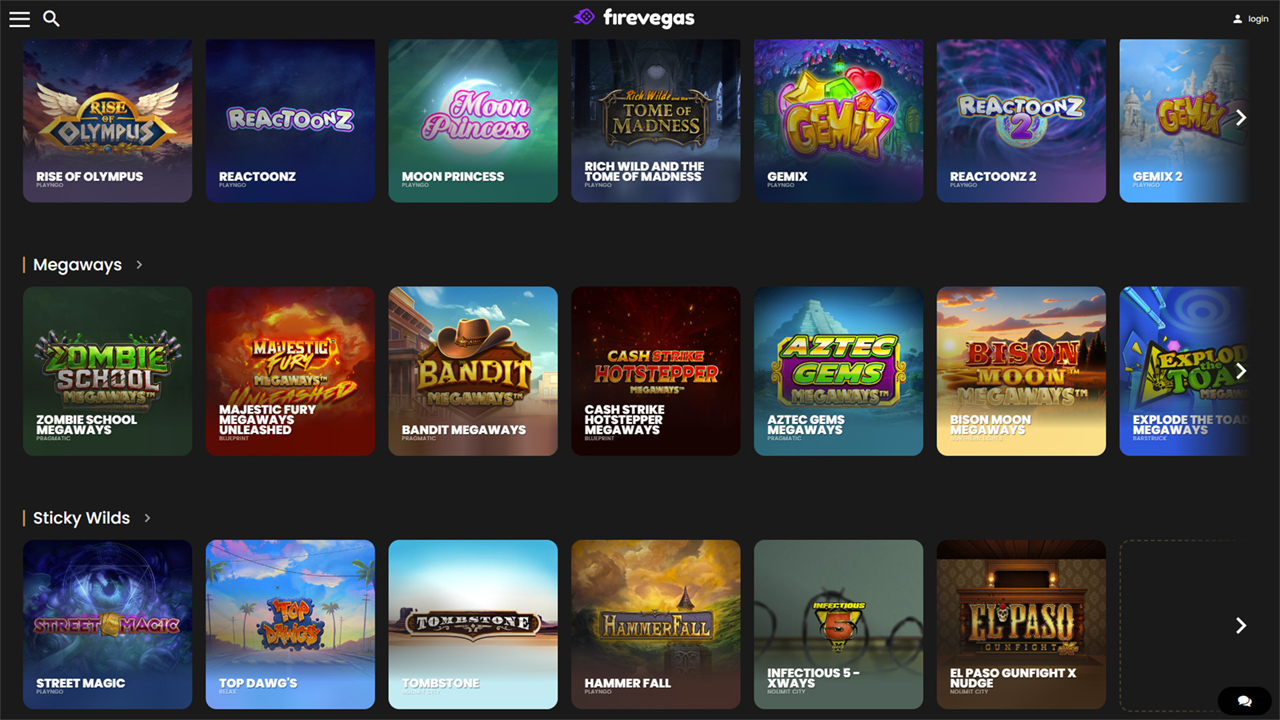
Cashing out bonuses on crypto gambling sites isn’t magic—it’s math. Always read the wagering requirement (e.g., 40x) and check if your game contributes 100% or just 10% toward it. Free spins often come with a max cashout cap, so don’t expect to turn a 50-spin reward into a fortune; prioritize low-house-edge slots to stretch that playthrough. For VIP tiers, avoid chasing status—climbing levels by betting big just to unlock a 10% cashback is rarely worth the variance. Instead, negotiate directly with your host: active players can swap points for no-wager cash or lower turnover thresholds. Finally, withdraw via the same crypto you deposited, and always check the bonus’s game exclusions before you play. Payouts only happen after you meet the terms, so screenshot the bonus breakdown when it lands—proof saves your bankroll if the casino “forgets” your progress.
Wagering Requirements Explained in Plain Terms
Wagering requirements are just the playthrough math you must hit before a bonus becomes real cash. On crypto gambling sites, they’re usually shown as a multiplier, like 35x, which means you need to bet your bonus amount 35 times over. So, a 100 USDT bonus demands 3,500 USDT in total wagers. The catch? Not every game counts equally — slots often contribute 100%, while blackjack or live dealer games might only count 10% toward settling your wagering requirement. Check the fine print for max bet limits too, as big wagers can void the whole bonus. A solid sequence:
- Find the multiplier, then multiply it by your bonus plus deposit to see your exact target.
- Choose games with 100% contribution to avoid grinding forever.
- Track your progress in the “bonus” tab, and never cash out early or the remaining balance gets wiped.
Exclusive Crypto-Only Promotions You Won’t Find at Fiat Sites
Crypto-only sites often unlock promotions impossible at fiat platforms, starting with instant rebate percentages on net losses that pay directly in stablecoins or native tokens. You’ll also find “deposit-match multipliers” tied to specific coins—like 200% on ETH or BTC—that fiat casinos never offer due to banking volatility. Another exclusive is “gas-fee reimbursement” for failed blockchain transactions, credited as free spins. Daily “proof-of-stake” bonuses, which reward holding casino tokens in your wallet, also exist solely on crypto sites. Always verify the wagering requirement in the token’s value, not fiat equivalent, since crypto price swings can inflate or deflate the playthrough.
What a Realistic House Edge Looks Like for Digital Coins
For digital coins, a realistic house edge for crypto slots typically sits between 0.5% and 2%, not the 5%+ seen at traditional fiat casinos. This tighter margin exists because blockchain transactions cut operational costs, letting operators pass on the savings. However, you must verify the game’s RTP (return-to-player) directly on-chain; many crypto-native titles advertise 99% RTP but hide a provably fair algorithm that shifts the edge back to 3% on bonus rounds. Pragmatically, stick to provably fair games with a published seed hash, and calculate the expected loss per spin before committing to a VIP cashback tier. If the edge exceeds 2%, that bonus is just subsidizing your own risk.
Realistic digital-coin house edges range from 0.5% to 2%; anything higher means the casino, not the math, is taking your profit.
Sorry, the comment form is closed at this time.